“It’s about human relationships”: Teachers and researchers working together for better second language education
“It’s about human relationships”: Teachers and researchers working together for better second language education
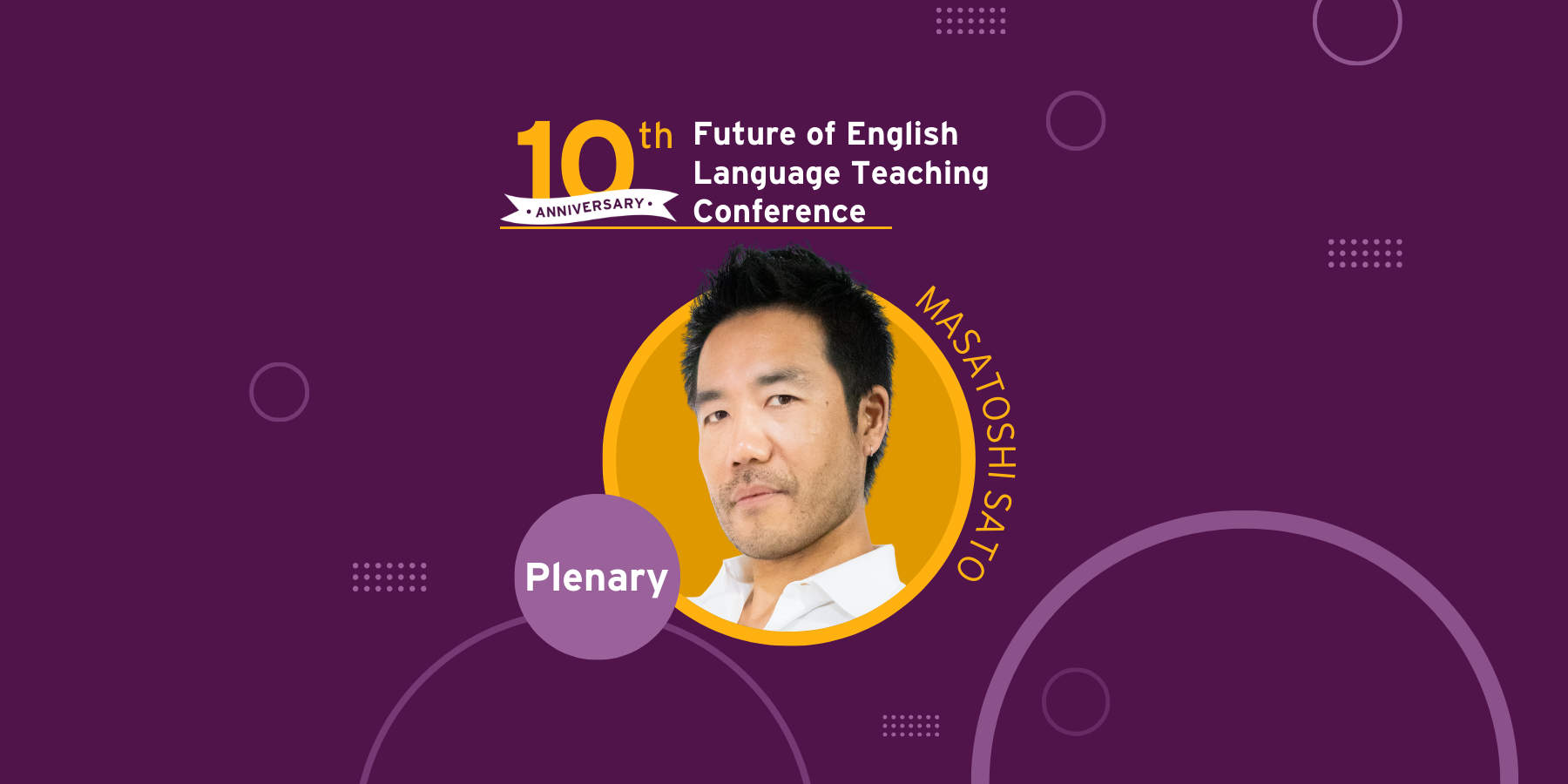
At this year’s Future of English Language Teaching (FoELT) conference, Professor Masatoshi Sato explored how teachers and researchers can build stronger, more collaborative relationships to improve second language education.
Masatoshi Sato is a Professor at Universidad Andrés Bello in Chile. His research focuses on bridging the gap between research and practice in language teaching. He is Co-Director of TESOLgraphics and MonISLA, Editor of Language Awareness, and a recipient of the ACTFL/MLJ Paul Pimsleur Award. His work aims to foster dialogue and collaboration between educators and researchers for more effective and equitable language learning worldwide.
Understanding the research–practice gap
Masatoshi began by addressing the long-standing tension between the world of research and the world of teaching practice.
Teachers often feel that research is inaccessible, overly theoretical or disconnected from everyday classroom challenges. Researchers, meanwhile, can struggle to see how their findings translate into teaching contexts. Both groups share the same goal of improving learning, but they often work within different systems, with different priorities and pressures.
He reminded the audience that improving language education starts with human relationships and empathy between professionals who bring different forms of expertise to the same shared mission.
A two-way conversation
Masatoshi encouraged participants to view the research–practice relationship as a two-way dialogue, rather than a one-way flow of information from researchers to teachers.
He explained that both sides have valuable knowledge to offer:
- Teachers contribute practical classroom insight.
- Researchers contribute evidence-based understanding.
When these perspectives come together, they can produce solutions that are contextually relevant and pedagogically sound.

Recognising the barriers
Masatoshi identified several common barriers to collaboration:
- Limited access to research because of paywalls or complex academic language
- A lack of time or institutional support for teachers to engage with research
- Research priorities that focus on publication over classroom application
- Cultural and linguistic divides between global research communities
He encouraged the audience to take a problem-solving approach to these challenges, looking for ways to make research more inclusive, accessible and centred on teachers’ needs.
Building bridges through empathy
A central theme of Masatoshi’s talk was the importance of empathy in building collaboration.
Teachers can approach research as a resource for reflection and growth, rather than as criticism or top-down instruction. Likewise, researchers should see teachers as partners, not as subjects or data providers.
Mutual empathy and respect transform research–practice collaboration from a technical exchange into a human relationship built on shared purpose.
Practical steps forward
Masatoshi offered several ways to support a more inclusive and collaborative research culture:
- Simplify access to research by creating open-access summaries and graphics
- Recognise teacher expertise by involving educators in the design of research
- Develop local research networks that connect classroom teachers and academics
- Encourage reflective practice that connects evidence with classroom realities
He highlighted TESOLgraphics.com as an example of this approach. The site provides concise, accessible visual summaries of TESOL research, helping teachers engage with findings quickly and meaningfully.
Towards a more inclusive research culture
Masatoshi closed by calling for a more inclusive and collaborative research culture in TESOL. Researchers and teachers should view each other as equal partners in a shared mission to improve learning.
This requires humility, openness and a willingness to listen. Research should inform teaching, and classroom experience should inform research.
Key takeaways
|
Theme |
Key idea |
|
Bridging research and practice |
Teachers and researchers share the same goal but often work in separate systems. |
|
Mutual respect |
Collaboration depends on empathy and valuing different forms of expertise. |
|
Two-way dialogue |
Research should inform teaching, and classroom realities should inform research. |
|
Practical collaboration |
Simplify access, co-design studies, and encourage reflective, teacher-centred inquiry. |
|
Shared purpose |
Building human relationships is the foundation for better language education. |
Final thought
Masatoshi’s plenary offered a hopeful and human-centred view of professional collaboration. By focusing on relationships, empathy and shared purpose, teachers and researchers can bridge divides and co-create a more reflective, inclusive and effective field of second language education.