Helping students mediate communication in the global world
Helping students mediate communication in the global world
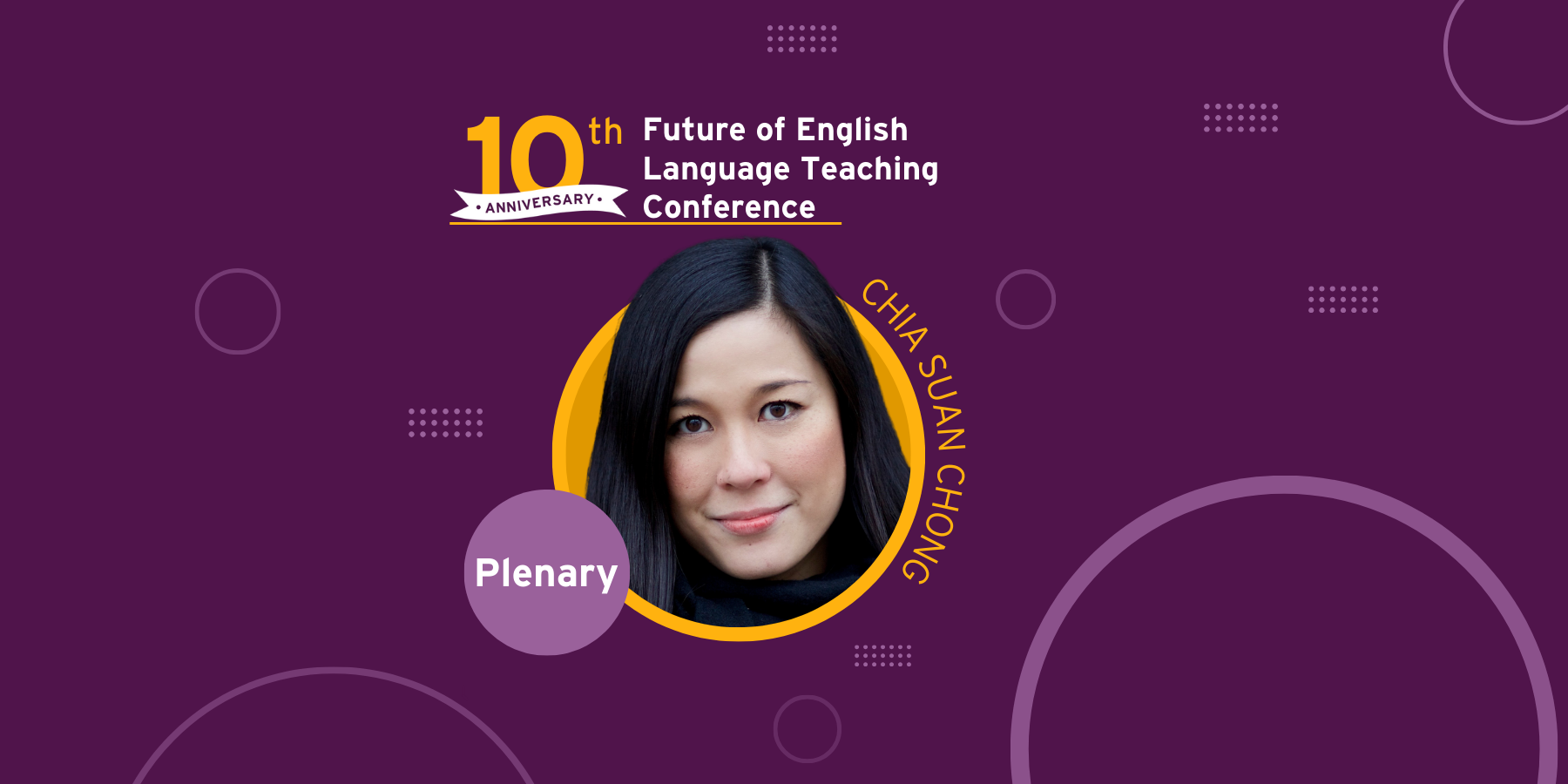
Chia Suan Chong discussed how English language instructors can assist their students in developing into self-assured, culturally sensitive communicators who can carry on discussions with individuals from a variety of linguistic and cultural backgrounds at this year's Future of English Language Teaching (FoELT) Conference 2025.
Chia is a writer, communication skills trainer, and teacher trainer based in York. She specialises in developing future-ready and intercultural communication skills and holds a DELTA and an MA in Applied Linguistics. She is the author of Successful International Communication and the recently published Developing Skills for Global Communication. She is also the co-author of the coursebook series VOICES (National Geographic Learning) and the Pearson ELTD/Cert PT, a 120-hour online teacher training course.
Communication in a pluricultural world
Chia began by reminding the audience that English today is a global lingua franca, used by millions of people who do not share the same first language or cultural background. For many learners, the goal is no longer to sound like a native speaker, but to communicate effectively across cultures.
This means our classrooms should focus less on perfect linguistic accuracy and more on successful mediation, and thus helping students manage meaning negotiation. This also therefore facilitates understanding and builds bridges between different communication styles.
The role of mediation
Chia talked about how language instruction is changing to incorporate the following skills, based on the most recent CEFR descriptors for mediation:
- Encourage understanding between individuals who hold contrasting opinions or cultural norms.
- Prevent misunderstandings, rephrase or clarify concepts.
- Create an atmosphere of respect and inclusion in multilingual settings.
Mediation is about establishing a common communication space where speakers focus on developing mutual understanding and connecting with each other, and this goes far beyond simple translation or paraphrasing.
From correctness to connection
One of Chia's main points was that developing relationships and demonstrating empathy are more important for successful communication than using perfect grammar.
Learners should be encouraged to:
- Ask clarifying questions when communication breaks down.
- Acknowledge different perspectives without judgement.
- Use repair strategies to maintain conversation flow.
- Listen actively and signal understanding.
Chia emphasised that mastering these abilities enhances confidence and intercultural awareness, two things that are crucial for effective communication in the real world, in addition to linguistic competency.
Classroom strategies for teaching mediation
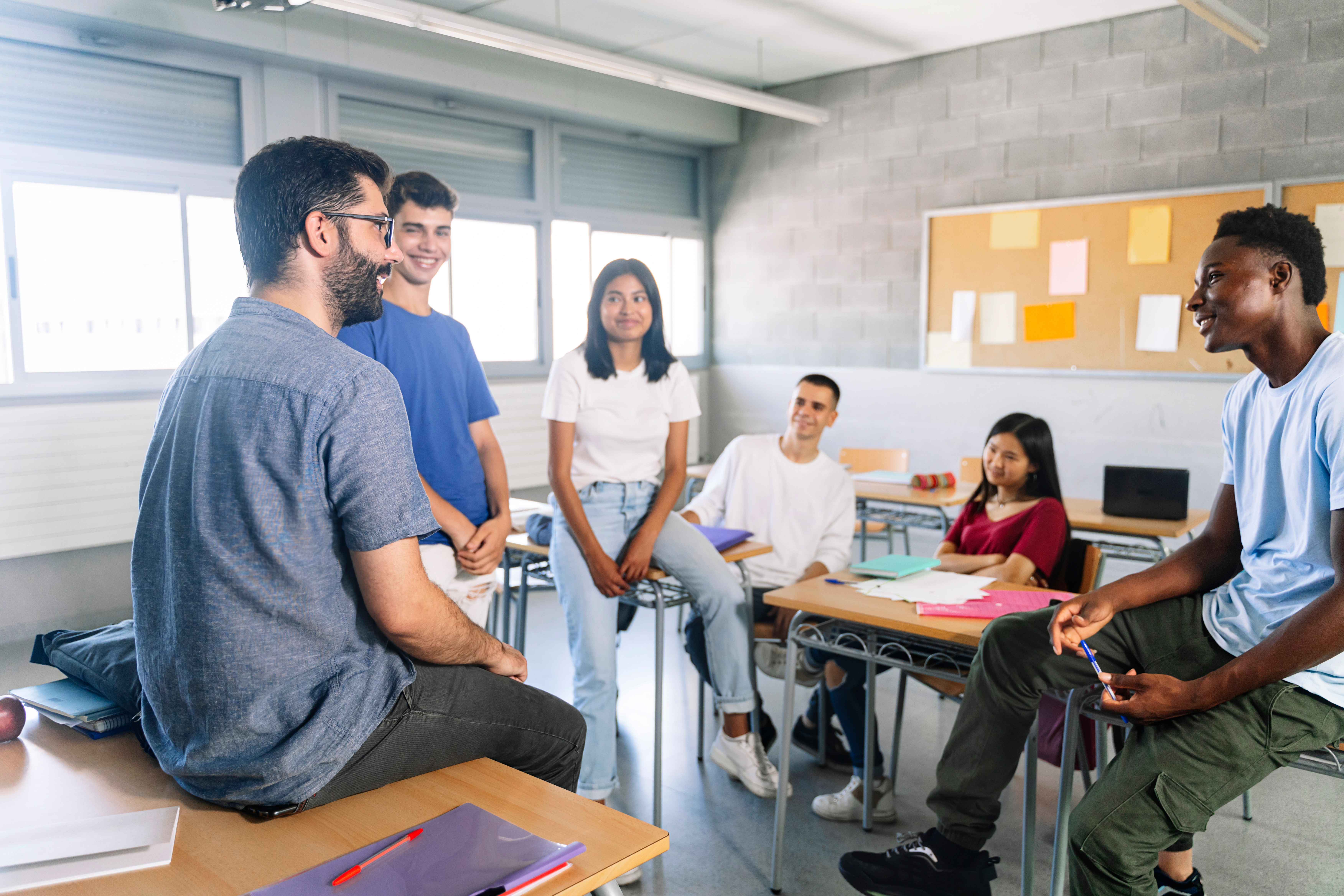
Throughout the session, Chia demonstrated practical lesson ideas teachers can use to help students practise mediation skills in authentic ways. These included:
- Roleplays and scenarios where students act as intermediaries between two differing viewpoints.
- Listening tasks that focus on identifying tone, attitude, and intention, not just information.
- Group discussions requiring learners to summarise, clarify, and reframe what others say.
- Reflective activities where students analyse how communication succeeds or breaks down in intercultural exchanges.
Each of these activities helps learners develop flexibility, empathy, and awareness, which are just as vital as vocabulary and grammar.
The teacher’s role
Chia highlighted that teachers themselves are mediators of communication in the classroom, shaping interaction, modelling inclusive language, and helping students notice how cultural factors affect meaning.
Teachers can foster a pluricultural mindset by:
- Exposing learners to diverse accents, viewpoints, and contexts.
- Helping students see difference as a source of learning, not a barrier.
This approach nurtures a classroom culture where connection takes priority over correction, preparing learners to engage with confidence in an increasingly globalised world.
Key takeaways
|
Theme |
Key idea |
|
Mediation as a core skill |
The CEFR now recognises mediation as essential for effective global communication. |
|
From accuracy to empathy |
Communication success depends more on understanding and relationship-building than perfect grammar. |
|
Practical classroom tools |
Use roleplays, listening tasks, and reflective activities to develop mediation skills. |
|
Teacher as mediator |
Model inclusive communication and create space for multiple perspectives. |
|
Global readiness |
Help learners navigate culturally rich interactions with confidence and curiosity. |
Final thought
Chia’s plenary offered an inspiring reminder that language teaching today is about much more than words and structures. Teachers can prepare students to succeed as global communicators by assisting them in managing cultural diversity and mediating communication. By using the common language of English, they can create bridges rather than barriers.