Hands-on with generative AI: personalising ELT materials for different learners and contexts
Hands-on with generative AI: personalising ELT materials for different learners and contexts
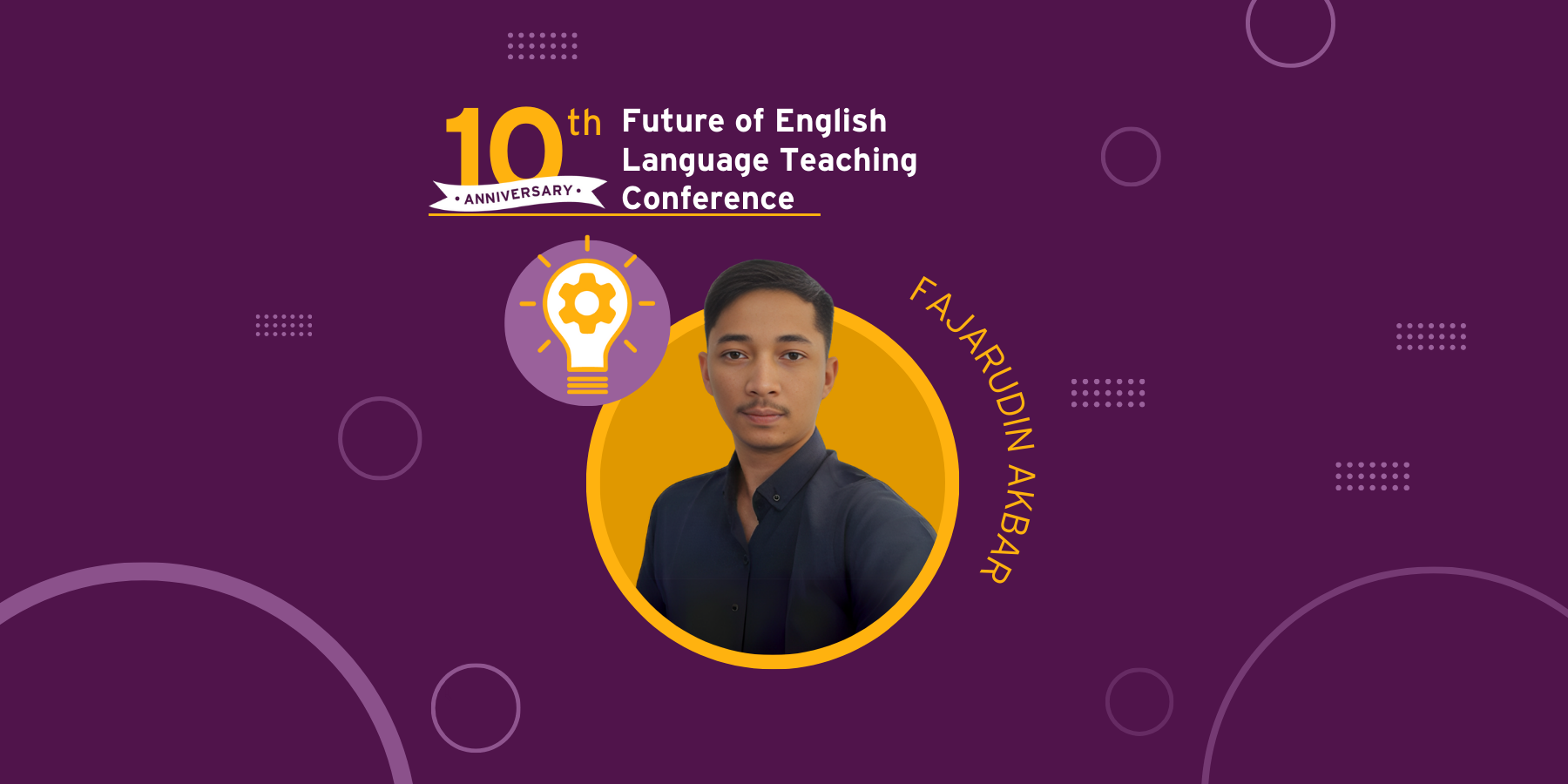
At this year’s Future of English Language Teaching (FoELT) conference, Fajarudin Akbar demonstrated how generative AI can be used to help teachers personalise and adapt English language materials for diverse learners and teaching contexts.
Fajarudin Akbar is a Business English teacher and educational technology practitioner from Indonesia, affiliated with the International English Language Teachers Association. He specialises in the integration of technology into English language teaching and promotes the use of Open Educational Resources. His work focuses on helping teachers personalise and adapt materials through technology while supporting professional development in the ELT community.
The role of AI in language education
Fajarudin opened his workshop by highlighting how generative AI is reshaping English language teaching. While technology has long supported lesson preparation and delivery, the rapid development of AI tools offers teachers new opportunities to design customised, engaging materials more efficiently than ever before.
He noted that the aim of using AI is not to replace the teacher, but to empower educators to respond more flexibly to learner needs. By automating certain tasks, teachers can focus more on creativity, interaction and personalisation in the classroom.
Practical applications in the classroom
During the session, participants explored how AI can support teachers in developing classroom-ready materials. Through live demonstrations and hands-on tasks, Fajarudin showcased how AI tools can be used to:
- Generate reading texts or dialogues at specific proficiency levels
- Adapt activities for different learner groups, such as Business English or English for Specific Purposes (ESP)
- Create prompts for speaking and writing tasks that target specific skills or themes
- Design vocabulary and grammar exercises that align with curricular goals
Teachers were encouraged to experiment with prompts and explore how small adjustments can lead to more relevant and engaging outputs for their learners.

Collaboration and creativity
A key element of the workshop was collaboration. Participants worked in groups to create their own materials using generative AI, discussing how these could be integrated into their existing courses. This process allowed teachers to share ideas, evaluate the quality of AI-generated outputs, and reflect on how best to adapt them for classroom use.
Fajarudin emphasised that generative AI can serve as a creative partner rather than a content generator. When guided by clear pedagogical aims, these tools can save time, inspire new lesson ideas, and encourage experimentation with formats and topics that might otherwise be difficult to prepare manually.
Responsible and informed use
Fajarudin also addressed the importance of using AI responsibly. He discussed issues related to accuracy, bias, copyright and data privacy, noting that teachers must remain critical users of AI outputs.
He encouraged educators to develop digital literacy skills and maintain control over the content they produce. Teacher agency, he explained, is central to ensuring that technology enhances learning rather than dictating it.
By combining professional judgement with the capabilities of AI tools, teachers can ensure that materials remain inclusive, ethical and pedagogically sound.
Confidence through practice
By the end of the workshop, participants reported feeling more confident about integrating AI into their teaching practice. Fajarudin emphasised that confidence comes from exploration and reflection, not from technical expertise alone. Teachers who engage with these tools actively can identify what works best for their learners and adapt accordingly.
He concluded that when used thoughtfully, AI can support teachers in creating personalised, engaging and learner-centred materials that reflect the diversity of modern classrooms.
Key takeaways
|
Theme |
Key idea |
|
Personalisation |
Generative AI allows teachers to tailor materials to learners’ levels and interests. |
|
Practical application |
AI can help create reading texts, tasks and prompts for specific contexts. |
|
Collaboration |
Working with colleagues enhances creativity and critical use of AI outputs. |
|
Responsible use |
Teachers must remain aware of bias, privacy and accuracy issues. |
|
Teacher agency |
Educators, not algorithms, guide how technology supports learning. |
Final thought
Fajarudin’s session showed that generative AI can be a valuable ally for teachers seeking to create flexible and inclusive learning materials. By combining technology with pedagogical insight, educators can save time, inspire creativity and deliver lessons that are better adapted to the needs of their students in an increasingly digital world.