Approaching Music Performance Diplomas – Stagecraft
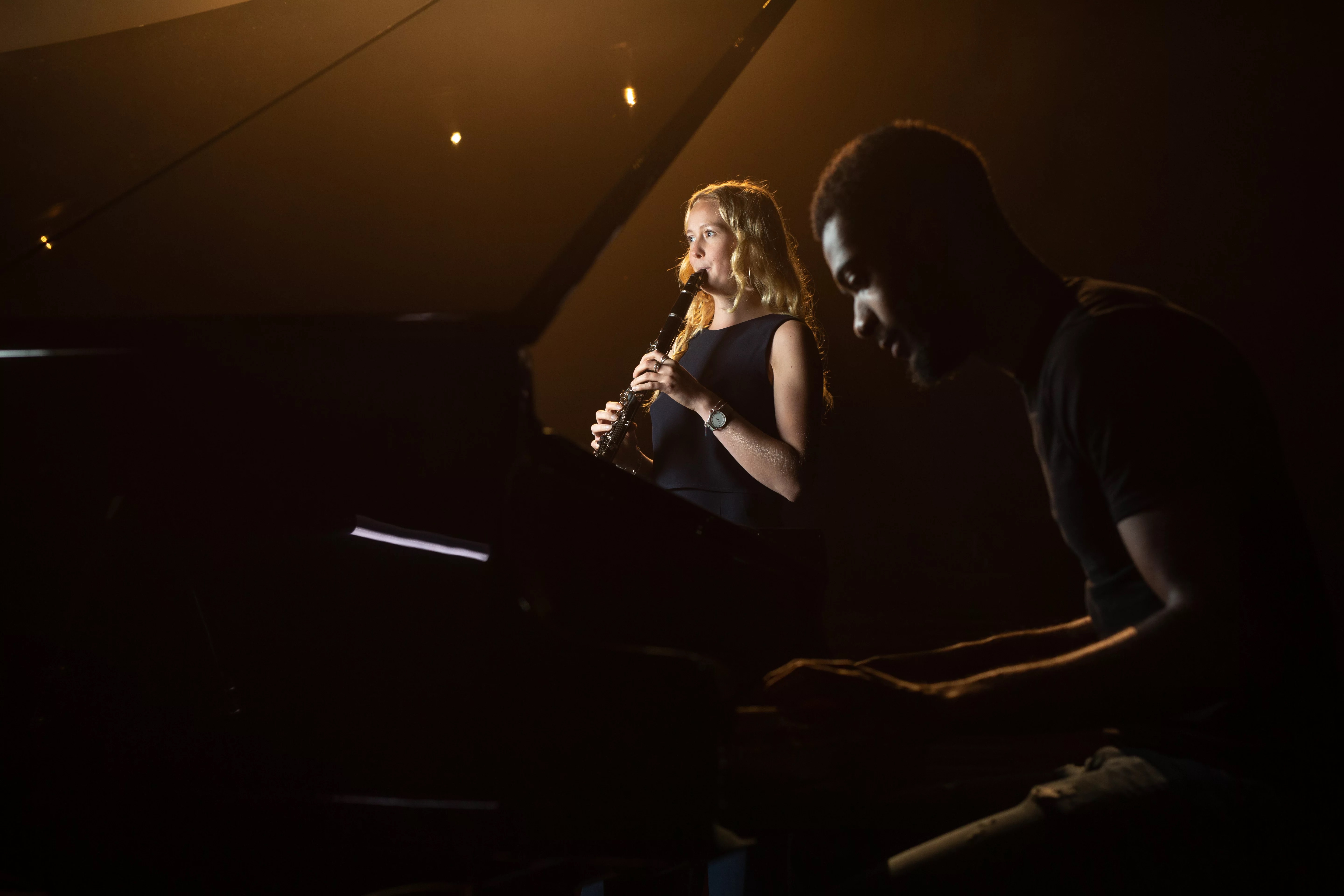
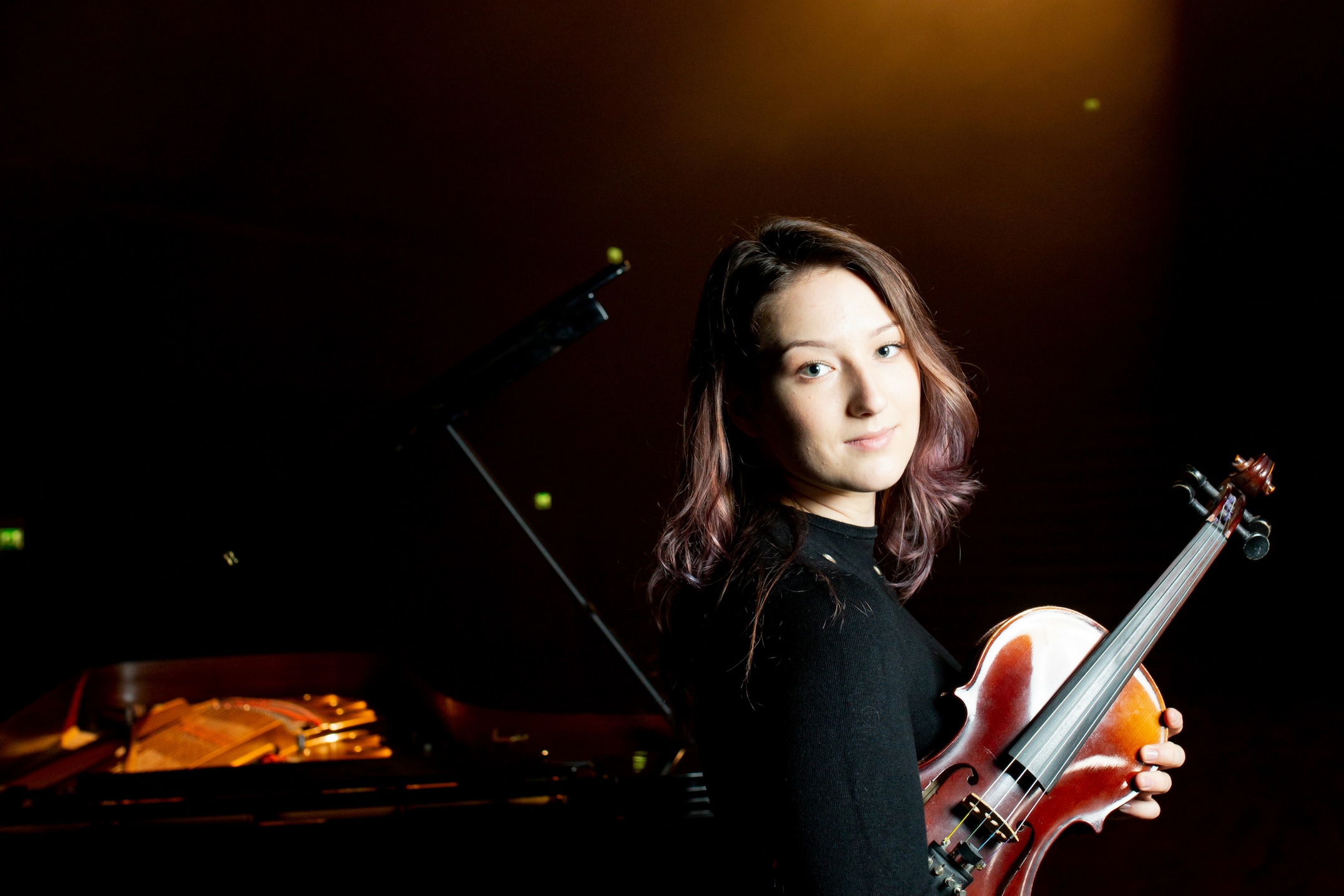
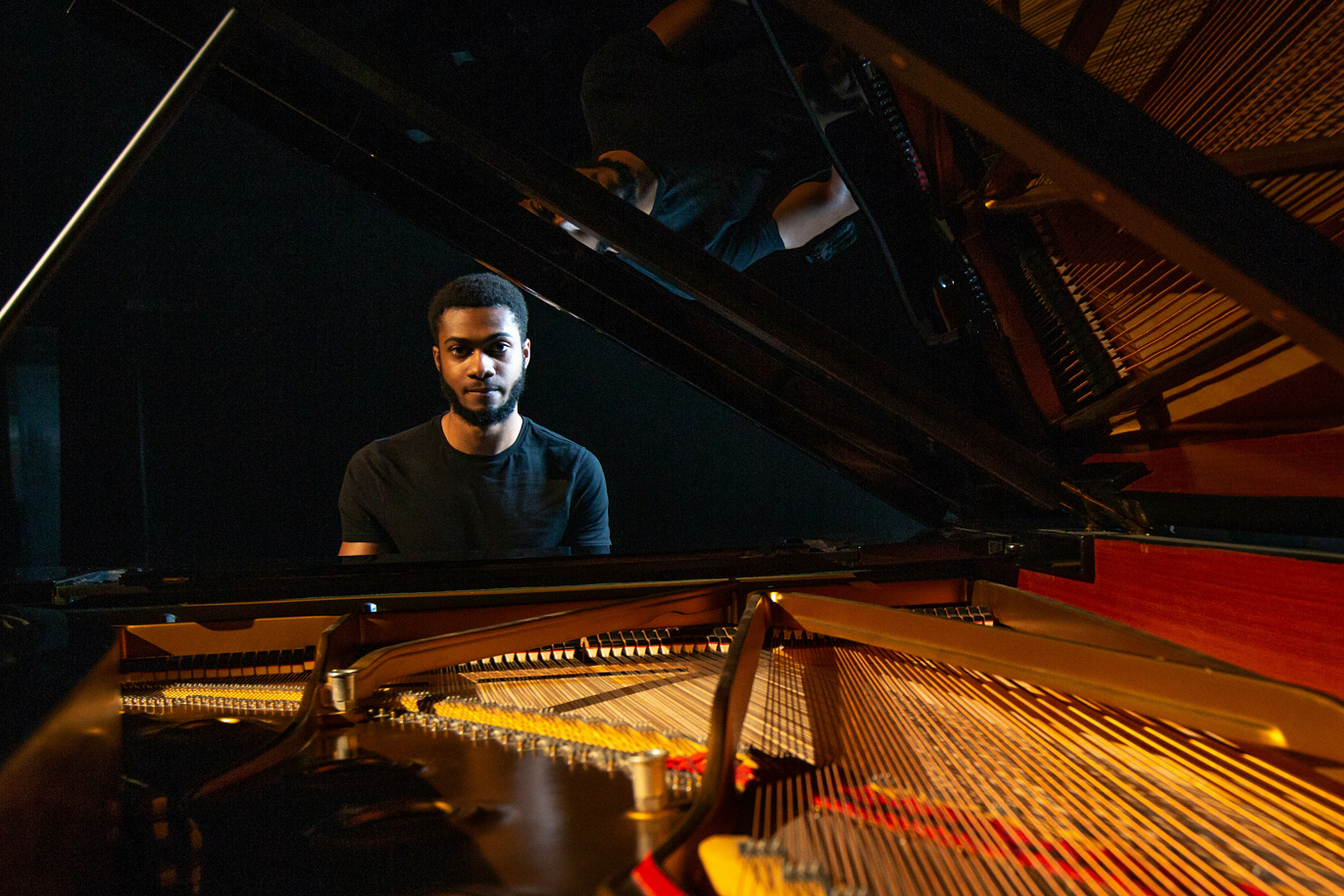
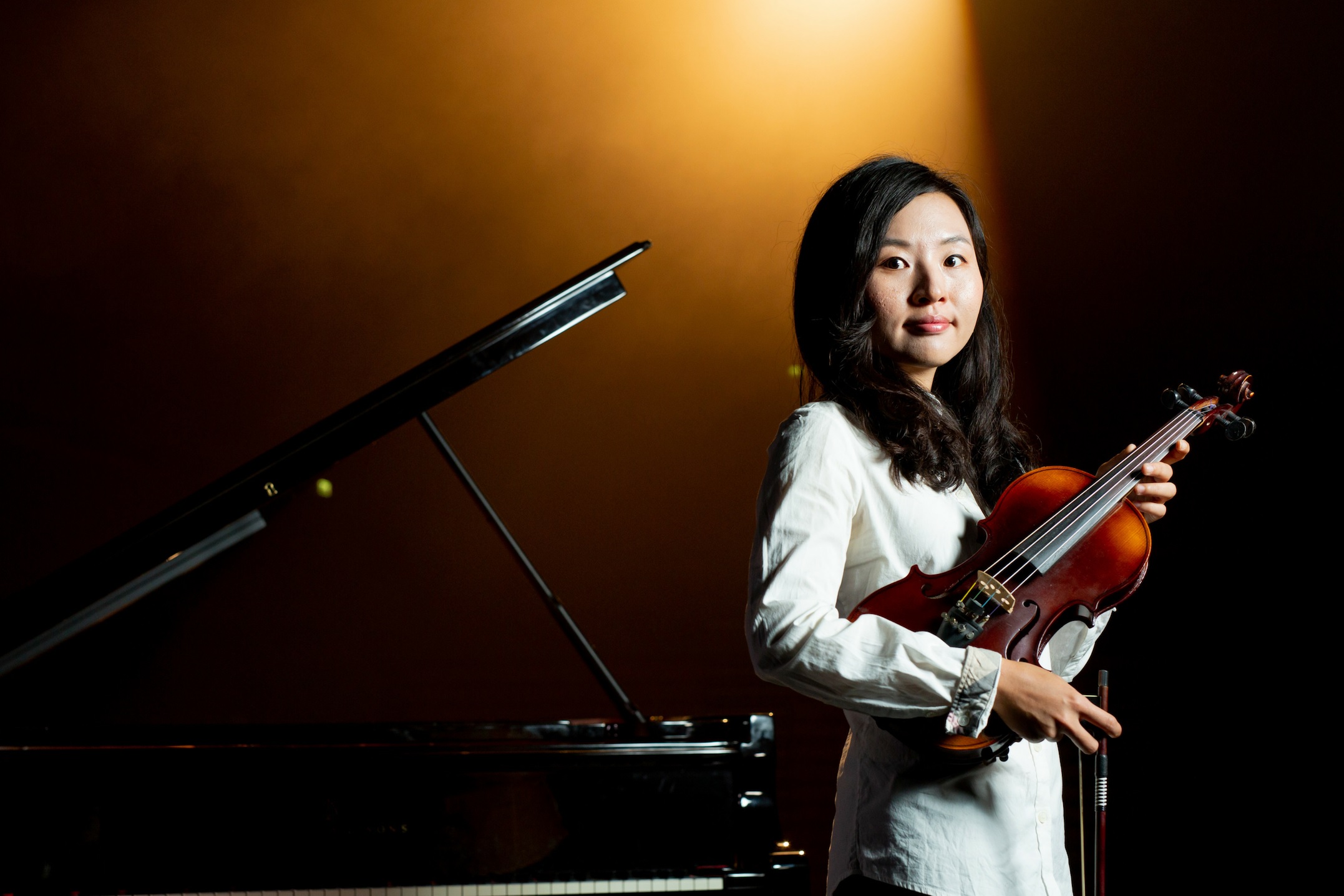
Stagecraft and delivery, the overall presentation of a recital, continues to form part of the ‘musical sense and communication’ element of the recital in the refreshed 2026 Performance Diplomas syllabus. Although the technical challenges of a performance will take a good deal of time to refine and develop, stagecraft is a component that can be addressed and improved with immediate effect.
Stagecraft encompasses the totality of the performance; it includes comportment, management of music and any page turns, and temporal pacing of both the repertoire, and the recital as a whole. Platform arrangement and positioning are vital elements that need to be considered, in order to make the most of the recital space. These elements constitute a crucial dimension of performance practice and are integrated into the formal evaluative criteria of a Trinity diploma.
Whilst many stagecraft elements have a degree of subtlety, when the poise of delivery and stage presence is lost, this can sometimes be detrimental to the natural sense of musicianship and interpretative persuasion.
Think of a lunchtime recital or concert you have attended. Did you feel compelled to watch and listen to them? If so, what did they do to achieve this?
Below, we’ve compiled a few particularly pertinent facets of stagecraft, aiming to offer some guidance for your consideration in order to produce a polished performance:
Communication
- Communication between performers can ensure the solidarity of the ensemble, or help to maintain a particular musical atmosphere to its utmost potential.
- Badly executed page turns or disorganised music, for instance, create the potential to disturb what may well be a technically proficient performance. This can be a useful area to consider in your overall preparation.
- Acknowledgement is another important area to explore. Interactions with others both on stage and in the audience are an important element to consider and can be an excellent way to frame a performance and create a sense of occasion. This is an area that is perhaps particularly noticeable if acknowledgements are not offered at any time in the presentation.
- In an auditorium, it is customary for performers to acknowledge their audience, either with a bow, or in another way. At the outset, this says, “Thank you for welcoming me to the stage and I hope to present you with a rewarding experience”; at the conclusion, “Thank you for listening and I hope you enjoyed the recital.” Whether this is a measured nod of the head, or a full bow, will depend on the performance space and the performer themselves.
The Performance Space
- Sometimes diploma recitals take place in venues which are less spacious, or can only be recorded at limited angles. In these circumstances, it is important to adapt your stagecraft to the occasion, and if possible, it is worth fully considering this element prior to the day of your recital. For instance, in a smaller space, a measured nod of the head, genuinely meant, might be sufficient to convey the necessary sentiments.
- For digital exams, consider how you might create a professional looking performance space; in face-to-face circumstances, the examiner will always offer you time and space to set up your space how you’d like it. Reaching out to an exam centre beforehand could be a crucial way to prepare your expectations for the room in which your all-important performance will be taking place.
- If the performance space is restricted for a digital submission, take the time to fully address the recording requirements before finalising any stagecraft decisions, therefore avoiding potential referrals or requests to re-record. See the syllabus, page 22, and the filming guidance.
- Once you know where your performance will take place, you can envisage your entrance and where you might like to be positioned, which can provide a degree of mental relief and clarity in the run up to the diploma.
- In the case of certain instrument groups, it is also important to remember when recording your digital diploma, that if you are going to take short breaks or tune your instrument in between works, you should not leave the view of the recording device. In this situation therefore, it can be paramount to ensure the space is set up considerately, allowing its most efficient use.
Appearance
- Your clothing choices are not an element that the examiner will consider. Here it is simply important to ensure that you as a performer feel at ease at your instrument whilst in your chosen attire. Visualise yourself as a confident performer – you’ll be surprised how much a confident attitude reflects in your body language and overall performance, enabling you to perform at your best.